
Composite and Ceramic Facade Systems
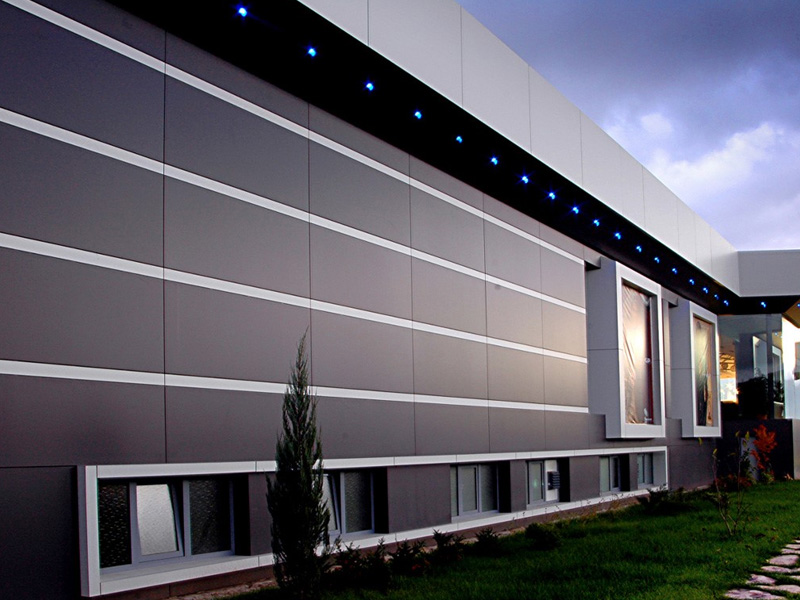
Composite and Ceramic Facade Systems, Aesthetic and Modern Architectural Solutions
In modern architecture, the exterior shell of a building is not just a protective layer, but also a design element reflecting the character of the structure. Aluminium composite panel and ceramic facade systems add prestige to the exteriors of buildings while standing out with their durability and insulation properties.
In this guide, we will examine the advantages and application details of composite and ceramic cladding systems.
1. Aluminium Composite Panel Facade Systems
Aluminium composite panels are high-tech building materials consisting of a low-density polyethylene core sandwiched between two aluminium sheets. Thanks to its lightweight and flexibility, it is indispensable for modern designs.
Advantages:
- Lightness and Flexibility: It does not put extra load on the building and can be easily shaped (can be given a radius).
- Wide Color Range: It offers unlimited color options including metallic, solid, and special patterns (stone, wood textures).
- Smooth Surface: Thanks to PVDF paint technology, it provides a smooth surface resistant to dirt and pollution.
- Fast Installation: Its modular structure allows large surfaces to be covered in a short time.
2. Porcelain Ceramic Facade Systems
Combining the durability of natural materials with modern technology, ceramic facades give buildings a natural and dignified appearance. It is especially preferred in high-prestige projects.
Advantages:
- Exceptional Durability: Fully resistant to scratches, UV rays, and acid rain.
- Thermal Insulation: When applied with a ventilated facade system, it allows the building walls to breathe and maximizes energy savings.
- Non-flammability: With its A1 class non-combustible material property, it is at the highest level in terms of fire safety.
- Hygienic and Self-Cleaning: Thanks to its non-porous structure, it does not hold dirt and can be cleaned by rainwater.
Application Techniques
Both systems are generally applied with the "Ventilated Facade" principle:
- Sub-structure Construction: An aluminium carcass system is installed on the main wall of the building with the help of anchors.
- Insulation Layer: Insulation materials such as rock wool are placed between the carcass to provide heat and sound insulation.
- Air Gap: The gap left between the insulation material and the cladding material prevents humidity and provides natural ventilation.
- Cladding: Composite panels or ceramic tiles are mounted to the carcass with special clip or bonding systems.
Areas of Use
- Commercial Buildings: Offices, banks, hotels, and plazas.
- Public Buildings: Hospitals, universities, and airports.
- Residential Projects: Modern apartment and villa designs.
- Industrial Facilities: Factory administrative buildings and showrooms.
Professional Engineering and Design
Correct system selection and flawless workmanship determine the life of the facade. Our services include:
- Detail Solutions: Special solutions for junction points, corner details, and window jambs.
- Static Analysis: System design according to wind load and building height.
- Color and Texture Combinations: Integrated designs with glass curtain wall systems.
Composite panel cladding, ceramic exterior facade, ventilated facade systems, aluminium composite, porcelain ceramic facade, modern building cladding.
Contact us for long-lasting and prestigious solutions for your building exteriors!